Roof Replacement Cost & ROI Calculator
Estimate asphalt shingle roof replacement cost, materials, ROI, and contractor guidance.
Use this roof replacement calculator to compare materials-only bid-checking costs with professional installed pricing for an asphalt shingle roof. Enter footprint or known squares, pitch, roof shape, layers, access, age, and leak/condition signals to see the cost range, quote assumptions, and next questions to ask roofers.
- Best short answer: asphalt roof replacement is professional work; materials-only pricing is a bid-checking reference, not a DIY recommendation.
- Roof area, pitch, roof shape, tear-off layers, story height, decking replacement, penetrations, site access, roof age, and active leak symptoms are the main cost drivers.
- A roof with active leaks, water stains, daylight at roof boards, widespread shingle failure, multiple layers, soft decking, or end-of-life covering should be priced as a diagnosis-and-replacement project, not only as a small patch.
- A useful roof replacement quote should itemize tear-off, disposal, underlayment, ice/water shield, drip edge, flashing, pipe boots, ventilation, decking allowance, permit handling, cleanup, payment terms, and workmanship/material warranties.
- The calculator compares materials/equipment/permit budgeting with professional installed pricing so homeowners can evaluate written roofing bids.
roof area or squares · pitch and roof shape · tear-off vs overlay · existing layers · decking replacement allowance · story height · penetrations · site access · roof age and leak symptoms · architectural vs 3-tab shingles
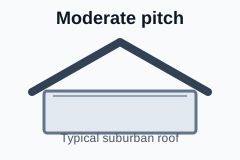
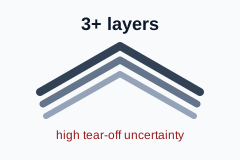
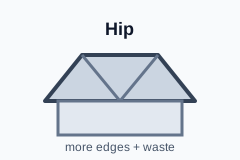
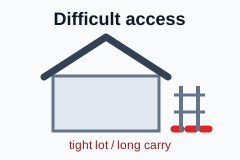
How much does an asphalt roof replacement cost?
For a typical 40×30 ft footprint with moderate pitch, one tear-off layer, ordinary access, and architectural asphalt shingles, the professional range is usually much higher than a materials-only budget because it includes tear-off, disposal, underlayment, flashing, labor, permit handling, cleanup, warranty overhead, and contingency. Run the calculator with your roof squares or footprint for the current planning range; it is not a contractor quote.
Should I DIY a roof replacement?
No. Roofing involves fall risk, permits, and warranty requirements. The materials-only and Compare modes are for budgeting and understanding line items so you can evaluate contractor bids — not for DIY installation guidance.
Repair or full replacement?
Choose Localized repair / leak investigation in the guided interview for a few missing shingles, a small storm-damaged area, or an unknown leak source. Full replacement planning becomes more appropriate when the roof has active leaks, stains in multiple places, daylight through roof boards, widespread granule loss, curling shingles, soft decking, multiple layers, or an end-of-life covering. Ask contractors to quote both paths when the scope is unclear.
What inputs change the estimate most?
Roof area (footprint × pitch × shape), tear-off vs roof-over, number of existing layers, story height, steep pitch, difficult site access, decking replacement allowance, roof age, active leaks, water stains, daylight at boards, penetrations, and shingle type. Architectural vs 3-tab shingles moves material cost; condition signals mostly widen decking, diagnosis, and contingency allowances.
What should a roof replacement quote include?
A written roof quote should separate tear-off, disposal, synthetic underlayment, ice/water shield, drip edge, starter strip, field shingles, ridge cap, ridge vent or ventilation plan, pipe boots, step/counter flashing, decking replacement price per sheet, permit handling, cleanup, magnetic nail sweep, payment terms, workmanship warranty, and manufacturer warranty. If there is an active leak, the quote should also document the leak source and any temporary dry-in work.
What do home inspectors flag on roofs?
Inspectors commonly flag missing or damaged shingles, curling or granular loss, exposed fasteners, failed flashing, soft or stained decking, active ceiling stains, poor attic ventilation, and multiple roof layers. Those findings often become lender, insurance, or buyer-negotiation issues because roof failure is a water-risk problem, not just curb appeal.
Worked example: 1,200 sq ft South Bend / Mishawaka roof
Assumptions (not a quote): about 1,200 sq ft footprint, moderate pitch, architectural asphalt shingles, one tear-off layer, ordinary access, standard penetrations, and a small decking allowance. Compare mode shows the materials/equipment/permit reference beside professional installed pricing. If the roof has active leaks, stains, daylight at boards, or multiple layers, the calculator adds condition and decking allowances because the final scope often changes after tear-off. See the local roof replacement market answers for city-specific context.
What assumptions does this calculator make?
It models an asphalt shingle replacement using entered footprint or known squares, pitch, roof shape, story height, tear-off status, existing layers, penetrations, site access, shingle type, roof age, symptoms, decking allowance, diagnosis allowance, and contingency. It is a planning range, not a contractor quote, appraisal, insurance scope, or permit-history lookup.
Want professional help with this project?
This project involves permits, safety risks, or licensed trades. Consider asking a professional for guidance.