Attic Insulation & Air Sealing Cost Calculator
Estimate attic air sealing, baffles, hatch treatment, safety/access gates, and blown-in or batt insulation with DIY vs professional compare.
Plan attic insulation and air sealing by square footage, current depth, target R-value, access, and inspector flags. Air seal first — insulation alone will not stop attic bypasses or ice dams in Michiana winters. Compare mode shows a DIY materials/equipment budget beside professional air-seal + insulation pricing. DIY is realistic only for dry, open attics with safe light/flue clearances; vermiculite, moisture/mold, knob-and-tube wiring, tight eaves, or knee-wall work should be professional. Pair with the local attic insulation market answers for South Bend, Mishawaka, and Elkhart (/market-answers/attic-insulation-cost-south-bend/, /market-answers/attic-insulation-cost-mishawaka/, /market-answers/attic-insulation-cost-elkhart/).
- Best short answer: air seal first, then insulate toward about R-49 to R-60 for Michiana attic planning.
- DIY is reasonable only for dry, open attics with safe joist access, PPE, verified light/flue clearances, and no hazardous insulation or wiring flags.
- Professional help is recommended for vermiculite, mold/moisture staining, active knob-and-tube wiring, tight low-slope attics, knee-wall areas, and unknown older recessed lights.
- The calculator models DIY materials/equipment beside professional air-seal + insulation labor, so homeowners can compare bids instead of relying on national averages.
attic floor square footage · current insulation depth · target R-value · insulation type · eave/baffle access · air-sealing complexity · recessed-light and flue clearances · moisture, vermiculite, or wiring safety gates
Project Details
How much does attic insulation cost?
A typical ~1,200 sq ft Michiana attic with minimal existing insulation, air sealing, baffles, hatch treatment, and blown-in insulation toward R-49 often plans in the low-thousands professionally. DIY materials/equipment are usually much lower, but only make sense when the attic is dry, open, and free of safety flags. Use the calculator's compare mode for the part-level planning range, then get site-specific quotes.
Should I air seal or insulate first?
Air seal first. Adding bags over unsealed top plates, plumbing chases, bath fan gaps, attic hatches, and recessed-light leaks still lets warm moist air into the attic. In South Bend, Mishawaka, and Elkhart winters, those bypasses can keep driving comfort complaints, condensation, and ice-dam symptoms even after new insulation.
Can I DIY attic insulation?
Yes for a dry, open attic when you can work from joists or walking boards, install baffles, verify IC-rated lights or clearance covers, keep insulation away from flues, wear PPE, and use a helper for blower work. Hire a pro for tight low-slope attics, knee walls, moisture or mold staining, vermiculite, active knob-and-tube wiring, or unknown older recessed lights.
What inspector flags change the estimate most?
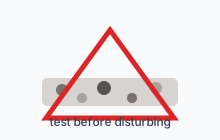
The big flags are current insulation depth, blocked soffit vents, bath fans dumping into the attic, air leaks at top plates/chases, moisture staining, mold-like staining, vermiculite, old wiring, and non-IC recessed lights. Those conditions change whether the job is a simple top-up, an air-sealing project, or a professional remediation/diagnostic job before insulation.
Worked example: ~1,200 sq ft Michiana attic
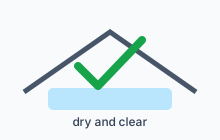
Assumptions (not a quote): ~1,200 sq ft open attic, minimal existing insulation, dry/clear condition, IC-rated or no recessed lights, blown cellulose toward R-49, air sealing, baffles, depth markers, hatch insulation, PPE, and access boards. Compare mode shows the DIY material/equipment side beside professional air-seal + blow-in. See the South Bend, Mishawaka, and Elkhart attic insulation market answers for local context.
What R-value should I target?
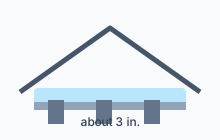
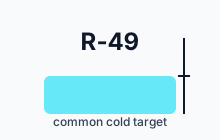
Cold-climate attic work commonly targets about R-49, with R-60 used for deeper comfort goals, cold rooms, ice-dam history, or broader energy upgrades. Ask for depth markers by product type, not just bag count, because cellulose and fiberglass need different installed depths and settling allowances.
What assumptions does this calculator make?
It models attic floor square footage, existing depth as an approximate R-value, a selected R-49 or R-60 target, one insulation product across the job, air sealing before insulation, baffles at eaves, hatch sealing, PPE/access boards, and light/flue clearances. Tight access, knee walls, moisture/mold, vermiculite, old wiring, and unknown recessed lights add safety gates and contingency. It does not use invented permit statistics or replace local code, utility rebate, or contractor quote requirements.
Want professional help with this project?
Whether you decide to DIY or hire a pro, we can help connect you with qualified local professionals.